
Understanding High-Torque Disassembly: Engineering Differences in Heavy-Duty Machinery
In the realm of industrial maintenance, the distinction between heavy-duty and light-duty machinery is defined by more than just size; it is rooted in engineering for extreme stress. At Boelter International, we recognize that high-torque disassembly requires a profound understanding of how different machines respond to rotational force. Mastering these technical nuances is critical for maintaining efficiency and longevity.
The Critical Role of Torque Load Capacities
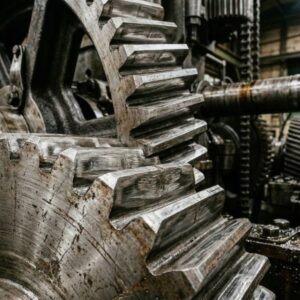
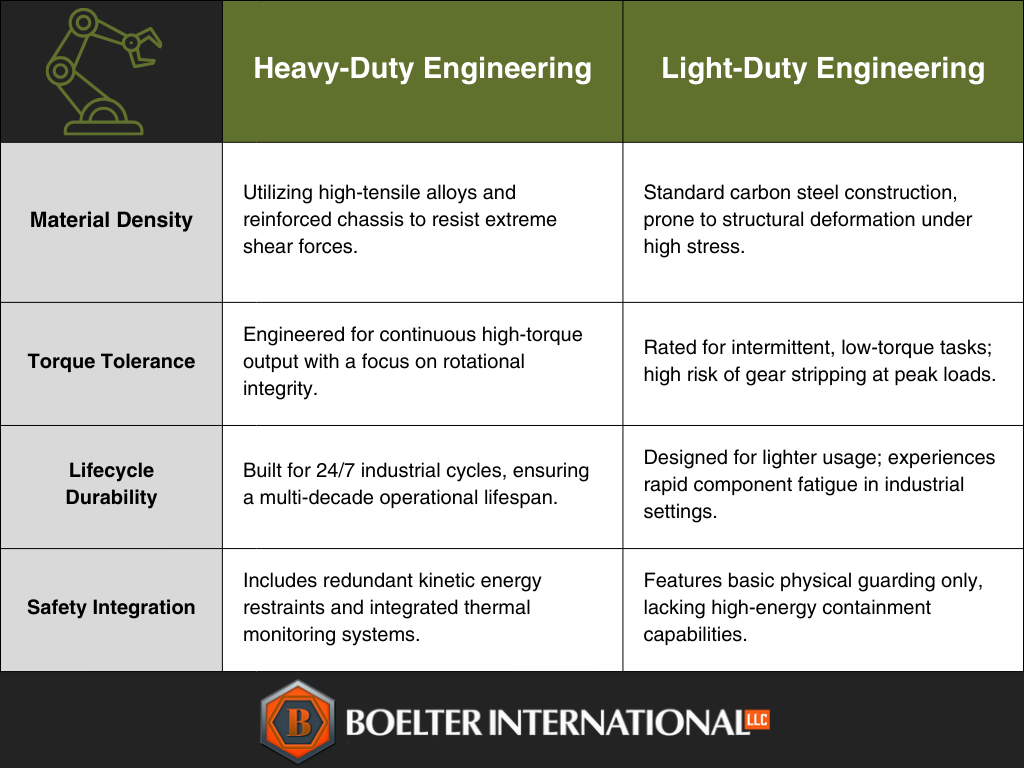
When we evaluate high-torque disassembly, the primary differentiator lies in how machines handle rotational stress. Heavy-duty systems are engineered with reinforced chassis and hardened alloy components designed to resist shear forces that would instantly compromise lighter equipment. Understanding these load capacities is essential for maintaining the operational integrity of your most critical industrial assets.
Engineering Material Selection and Structural Density
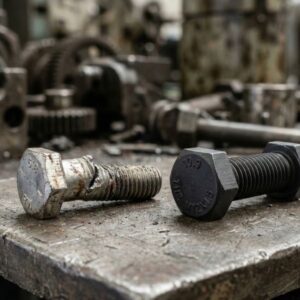
Material selection fundamentally separates heavy-duty engineering from light-duty alternatives. We prioritize high-tensile steel and specialized coatings in heavy machinery to ensure components can withstand the extreme friction generated during high-torque operations. Light-duty machines often utilize standard grade metals that, while efficient for low-stress tasks, lack the structural density required for rigorous industrial-scale disassembly processes.
Advanced Tooling Requirements for Industrial Disassembly
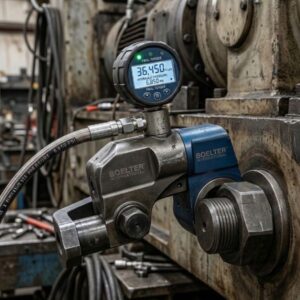
The tooling required for high-torque disassembly is significantly more advanced than standard maintenance kits. We utilize hydraulic tensioners and calibrated torque multipliers to safely manage the massive energy stored in heavy-duty fasteners. Using light-duty tools on heavy-duty machinery creates mechanical failure risks, whereas the precision of professional-grade equipment ensures every component is separated without structural damage.
Safety Protocols for High-Torque Kinetic Energy
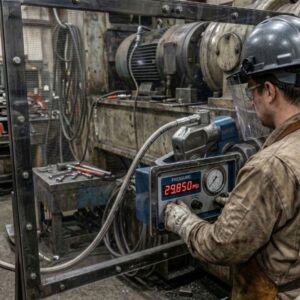
Safety protocols are non-negotiable when dealing with high-torque loads and heavy-duty engineering. We implement redundant restraint systems and precise monitoring of kinetic energy release to protect our technicians and your facility. Light-duty machines rarely require such intensive safety frameworks, making the transition to heavy-duty disassembly a critical procedural upgrade for any sophisticated industrial operation seeking reliability.
Navigating the complexities of high-torque disassembly requires a strategic approach to engineering and tool selection. By distinguishing between heavy-duty and light-duty specifications, we ensure that every maintenance cycle preserves the life of the asset while maximizing safety. Boelter International specializes in providing the robust machinery and technical expertise needed to handle these demanding industrial environments. We invite you to explore our full range of material handling solutions or reach out to our engineering team for a detailed consultation on your specific equipment needs today.